Adolescents & Young Adults
The adolescent and teenage years are difficult. The combination of peer and societal pressures, plus the tumultuous life transitions that accompany these years (hormonal, physical, emotional, intellectual, social, and sexual), can make life very challenging during this time. These difficulties often don’t ease, and frequently increase, as teenagers progress into the college and early young adult years. The pressures can feel overwhelming and often lead to serious and occasionally dangerous mental health problems, such as:
- Depression
- Anxiety
- Behavioral problems
- Substance use
- School problems
- Phobias
- Eating disorders

Research has demonstrated that most mental health disorders are developmental in nature and typically start early in life. Many people who suffer from mental health difficulties showed signs before they were 24 years old. This is true for conditions that are well known to have onset in childhood, such as autism and ADHD, but also for mood, anxiety, and psychotic disorders. Early intervention is essential.

It is important to understand that adolescents, teenagers, and young adults may experience symptoms that are hard to identify and different from adults. For example, adults that experience depression are frequently withdrawn and quiet depression in adolescents, teenagers, and young adults is often obscured through a veil of frequent expressions of anger and/or drug use. Directly below is a list of red flags that may indicate an established or budding mental health disorder.
- Frequent anger
- Changes in sleep patterns
- Using alcohol or other drugs
- Low energy
- Difficulty controlling emotions
- Changes in eating patterns
- Excessive moodiness
- Unexpected crying
- Self-mutilation
- Thoughts of suicide
Although all mental health problems are serious, depression, eating disorders, and drug abuse are the most serious and dangerous. If your child is experiencing any symptoms related to these problems, it is important that they get evaluated and treated by a mental health professional as soon as possible.
Mental health problems and disorders can be scary, but can be treated. The most important aspect is not delaying and finding a mental health professional that is the right fit for your child.
Adolescents, teenagers, and young adults are often nervous, hesitant, or extremely resistant

We at Arvon & Associates understand this difficulty and have had success with many young clients who were initially extremely unwilling to talk with a therapist and engage in the therapeutic process.
We pride ourselves in being able to provide a therapist who is the right fit and is able to quickly gain both your child and your trust.
Call us NOW, get results……. 305-936-8000
Dr Arvon has trained her staff in many of these methods of treatment including The Arvon Method™.
online therapy
Receive the expert help you need ay your convenience. We talk while you are taking a walk, while you are lying comfortably on your couch, or traveling anywhere in the world. Contact us
There is a Solution
Call Arvon and Associates in Counseling now and one of our office administrator will assist you with any questions you might have and to assure you get the personal care you need. (305) 936-8000
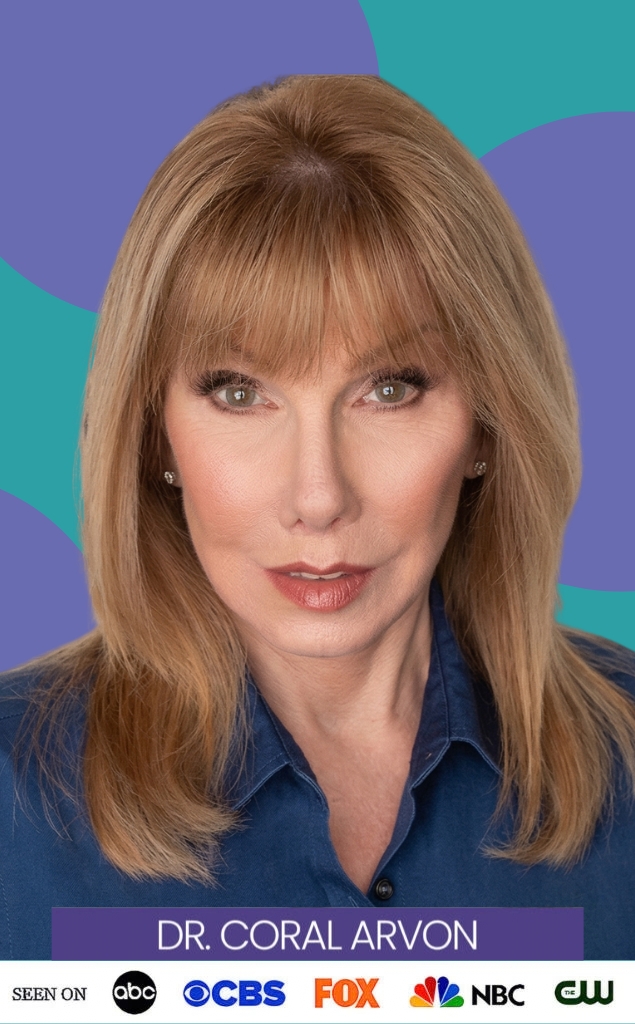
About Dr. Coral Arvon
Dr. Coral Arvon is a relationship expert, psychotherapist, coach, speaker, and educator with more than 35 years of experience helping individuals, couples, families, and business partners build healthier, more meaningful relationships.
She is the Founder and Clinical Director of Arvon & Associates in Counseling, a group practice serving clients throughout South Florida through both in-person and virtual counseling. Dr. Arvon is also the former Director of Behavioral Medicine and Wellness at the world-renowned Pritikin Longevity Center.
Dr. Arvon holds a Doctorate in Psychology, a Master’s Degree in Marriage and Family Therapy, and a Master’s Degree in Clinical Social Work. She is also a Board-Certified Sex Therapist and a Life Coach trained in Strategic Intervention through the Tony Robbins and Chloe Madanes Coaching Program.
Throughout her career, Dr. Arvon has trained at leading institutions, including the University of Miami’s Jackson Memorial Hospital Department of Outpatient Psychiatry, Mount Sinai Medical Center, Henderson Mental Health Center, and Here’s Help for Addictions.
Her specialties include relationship counseling, marriage and couples therapy, anxiety, trauma, communication skills, life transitions, intimacy concerns, personal growth, and coaching. She is trained in CBT, DBT, EMDR, Hypnosis, Gottman Method Couples Therapy, Imago Relationship Therapy, Relational Life Therapy, and Strategic Intervention Coaching.
Known for her warm, practical, and results-oriented approach, Dr. Arvon helps clients identify limiting beliefs, develop healthier patterns, improve communication, and create lasting change. Whether working with an individual facing anxiety or a couple rebuilding trust, her goal is to help clients move from feeling stuck to feeling empowered.
In addition to her clinical work, Dr. Arvon has presented hundreds of seminars and workshops, appeared on television and radio programs, contributed to numerous publications, and written extensively on relationships, emotional wellness, stress management, and personal growth. She has also served on the Pritikin Scientific Medical Advisory Board and is an active member of professional organizations dedicated to education, leadership, and personal development.
Dr. Arvon believes that meaningful relationships are the foundation of a fulfilling life. Her mission is to help people heal, reconnect, communicate more effectively, and create relationships built on trust, respect, and genuine connection.
“Changing your life begins by changing your thinking. When you learn to think differently, you can stop needless worrying, overcome obstacles, and create the life and relationships you truly want.”

Frequently Asked Questions
Therapy for adolescents and young adults helps address emotional, behavioral, and mental health challenges that arise during teenage and early adult years. It provides tools for managing anxiety, depression, and stress while building confidence and resilience.
Warning signs may include anger outbursts, mood swings, isolation, substance use, changes in sleep or eating habits, or declining school performance. If your teen seems distressed or withdrawn, therapy can help uncover what’s really going on.
Many teens and young adults experience anxiety, depression, eating disorders, ADHD, behavioral problems, and substance use. These challenges are treatable through early intervention and consistent therapy.
Most mental health disorders begin before age 24. Getting help early can prevent symptoms from worsening and improve long-term outcomes in emotional regulation, academic success, and relationships.
Teen therapy focuses on developmental, emotional, and social changes unique to adolescence. It often includes creative approaches and collaboration with parents to build understanding and support at home.
Yes. Therapy can help teens cope with academic stress, peer pressure, and social anxiety. It also improves self-esteem and teaches healthy communication skills to handle conflicts effectively.
It’s common for teens to resist therapy at first. Dr. Arvon’s team specializes in connecting with reluctant adolescents, creating trust, and helping them open up at their own pace
Yes. Sessions are confidential, but therapists may share general progress updates with parents when appropriate. Safety remains a top priority if there’s any risk of harm.
Absolutely. Online counseling is a flexible and effective option for teens and young adults who feel more comfortable talking from home or while away at college.
Dr. Coral Arvon and her team are experienced in helping teens and young adults manage complex emotions, behavioral issues, and mental health challenges. Their supportive, personalized approach helps young clients feel understood and empowered.
In-person sessions provide a safe, focused space where teens and young adults can connect directly with their therapist without digital distractions. Face-to-face interaction helps build trust, emotional connection, and accountability—especially important for clients navigating social or academic stress. It also allows therapists to observe body language, tone, and emotional cues, helping tailor support more effectively. Many young clients find that stepping out of their usual environment and meeting in person makes it easier to express themselves and stay engaged in the healing process.