Children & Families
Your child be maybe experiencing some of the following symptoms along with others:
Children:
- Always worries, cries easily and is often fearful.
- Is self-critical, pessimistic and over reacts to life situations.
- Is not friendly, bullies, hurts or teases other kids.
- Is unaffectionate and considered a loner.
- Wants to play alone, has no hobbies or interests, is excessively shy.
- Frequently lies, blames others for everything.
- Has difficulty organizing, loses interest quickly has difficulty following rules.
- Threatens to harm himself or others
- Always angry and defiant with authority


Your teenager may be experiencing:
Teenager:
- Has thought of suicide or made gestures
- Poor body image, Low self-esteem
- Anger and violent episodes, extreme mood swings
- Withdrawing from family and friends, isolating
- Self-medicating with alcohol and or drugs
- Noticeable changes in behavior i.e. eating, sleeping
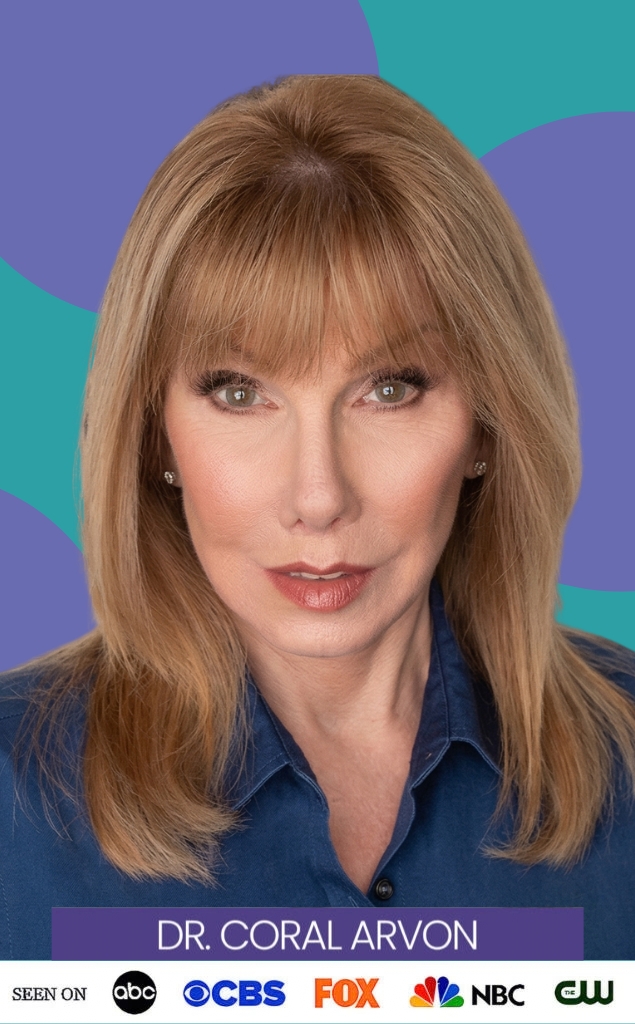
About Dr. Coral Arvon
Dr. Coral Arvon is a relationship expert, psychotherapist, coach, speaker, and educator with more than 35 years of experience helping individuals, couples, families, and business partners build healthier, more meaningful relationships.
She is the Founder and Clinical Director of Arvon & Associates in Counseling, a group practice serving clients throughout South Florida through both in-person and virtual counseling. Dr. Arvon is also the former Director of Behavioral Medicine and Wellness at the world-renowned Pritikin Longevity Center.
Dr. Arvon holds a Doctorate in Psychology, a Master’s Degree in Marriage and Family Therapy, and a Master’s Degree in Clinical Social Work. She is also a Board-Certified Sex Therapist and a Life Coach trained in Strategic Intervention through the Tony Robbins and Chloe Madanes Coaching Program.
Throughout her career, Dr. Arvon has trained at leading institutions, including the University of Miami’s Jackson Memorial Hospital Department of Outpatient Psychiatry, Mount Sinai Medical Center, Henderson Mental Health Center, and Here’s Help for Addictions.
Her specialties include relationship counseling, marriage and couples therapy, anxiety, trauma, communication skills, life transitions, intimacy concerns, personal growth, and coaching. She is trained in CBT, DBT, EMDR, Hypnosis, Gottman Method Couples Therapy, Imago Relationship Therapy, Relational Life Therapy, and Strategic Intervention Coaching.
Known for her warm, practical, and results-oriented approach, Dr. Arvon helps clients identify limiting beliefs, develop healthier patterns, improve communication, and create lasting change. Whether working with an individual facing anxiety or a couple rebuilding trust, her goal is to help clients move from feeling stuck to feeling empowered.
In addition to her clinical work, Dr. Arvon has presented hundreds of seminars and workshops, appeared on television and radio programs, contributed to numerous publications, and written extensively on relationships, emotional wellness, stress management, and personal growth. She has also served on the Pritikin Scientific Medical Advisory Board and is an active member of professional organizations dedicated to education, leadership, and personal development.
Dr. Arvon believes that meaningful relationships are the foundation of a fulfilling life. Her mission is to help people heal, reconnect, communicate more effectively, and create relationships built on trust, respect, and genuine connection.
“Changing your life begins by changing your thinking. When you learn to think differently, you can stop needless worrying, overcome obstacles, and create the life and relationships you truly want.”

Frequently Asked Questions
Yes. Sessions are confidential, though therapists may share general progress updates with parents. Any disclosure of harm to self or others is handled with care and safety as a priority.